Rugged navigation routes
Headlands, shoals, and sudden weather shifts made these lights trusted guides through uncertain coastal passages.
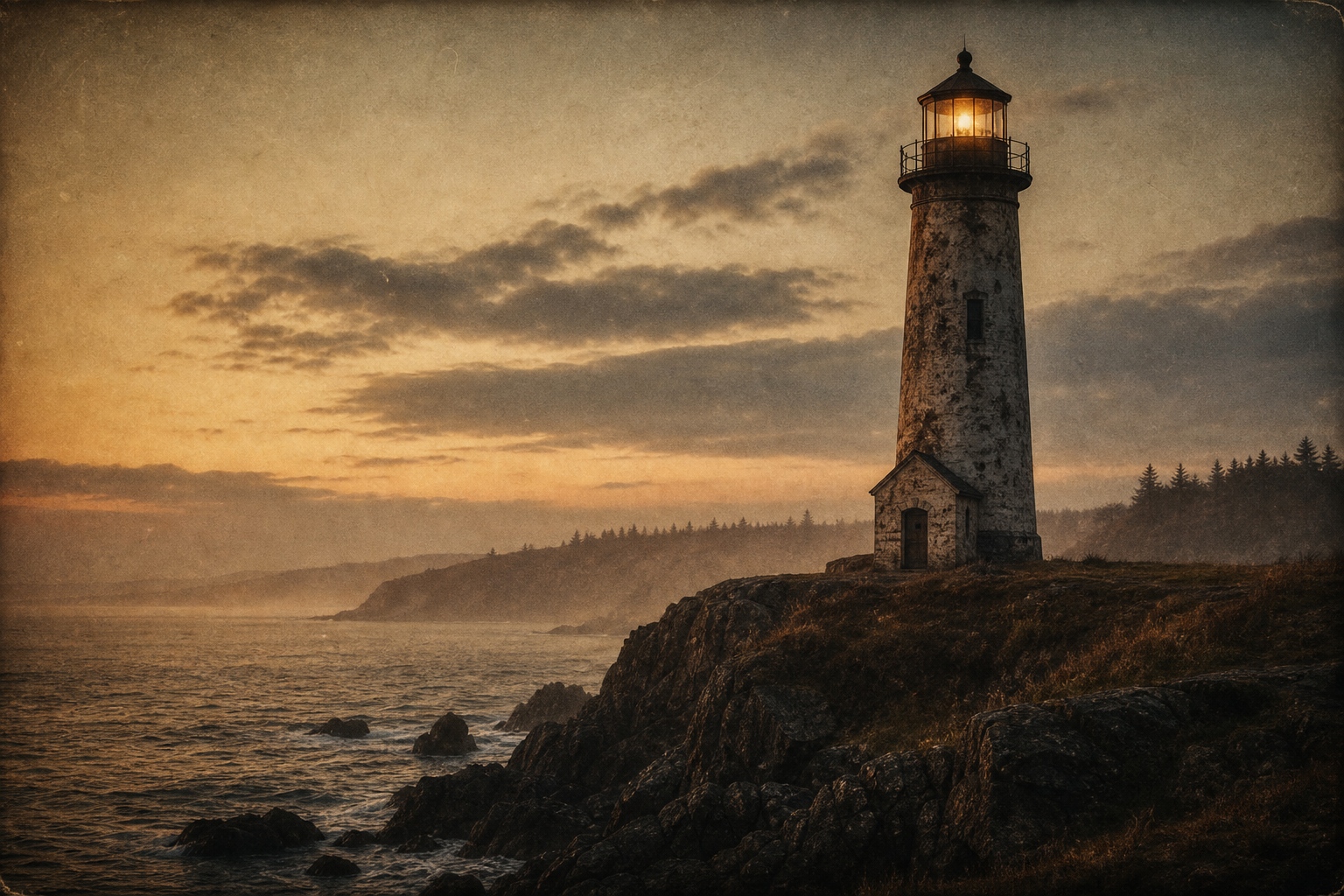
Northern Coast Lighthouses Archive
Explore lighthouse history through archival photography, keeper recollections, and a clear guide to preserved towers that still define the shoreline.
Heritage highlights
Headlands, shoals, and sudden weather shifts made these lights trusted guides through uncertain coastal passages.
Keepers maintained routine and vigilance in remote stations where weather, distance, and duty shaped daily life.
From hand-tended lamps to automated optics, each era refined how mariners read the shoreline after dark.
Community stewards protect towers as living landmarks, connecting present-day visitors with maritime memory.
Along storm-cut headlands and shifting shoals, lighthouse towers became the coast’s quiet infrastructure of survival, memory, and care.
Fog banks, iron reefs, and winter cross-currents made the northern coast one of the hardest approaches for sail and steam alike, where a missed marker could mean total loss.
From the late nineteenth century onward, authorities and local crews raised stone and cast-iron towers in sequence, creating a legible nighttime route that connected harbors to open sea lanes.
Automation reduced resident staffing, yet communities preserved surviving towers as cultural markers, keeping logbooks, lenses, and shoreline paths active as public memory rather than lost infrastructure.
Keeper Portraits
Short accounts from station logs and family notes that bring the coast’s working nights into view.
Head Keeper, 1894–1911
He wrote that the fog bell felt like a second heartbeat in winter, steady enough to measure the night by. When storms cut the road, he walked the cliff with a covered lantern and left a chalk mark at dawn so the village knew the light had held.
Assistant Keeper, 1932–1948
Mara kept weather notes in the margins of old almanacs, always adding which gulls appeared before a blow. Her niece remembered waking to the smell of paraffin and tea, then hearing Mara recite tide times as if they were morning prayers.
Relief Keeper, 1956–1964
He arrived each spring with a toolbox and a violin case, repairing the signal gear before touching his own bunk. On clear evenings he played one tune on the gallery walk, saying the sea sounded less lonely when the notes carried back from the rocks.
Lighthouse memory is sustained through archival records, local history work, and long-term coastal stewardship.
North Shoal Archive
Keeper Ledger Circle
Coastal Signal Museum
Tidemark Preservation
Fog Bell Oral Histories
Harbor Stewardship Guild
Visit & research FAQ
A quick guide to access, weather, photography use, and respectful exploration so your visit supports the long life of these preserved towers.
No. Some towers are regularly open, some open only on guided days, and others can be viewed from surrounding paths only. Check local stewards listed in the map notes before planning entry.
Facilities are often limited. Expect uneven ground, wind exposure, and longer walks from parking areas. Bring water, sturdy footwear, and enough time for changing coastal conditions.
It depends on the image source. Many photos are shared for study and personal reference, while some come from partner archives with specific credit or reuse limits. Always review the caption/source note first.
A lot. Fog, wind, rain, and tide timing can affect visibility, trail safety, and access roads within hours. Check local forecasts the same day and keep a flexible backup stop nearby.
Stay on marked paths, avoid climbing barriers, and leave artifacts where they are. Respect nearby residents and wildlife, and share location notes that help others visit safely without stressing fragile sites.
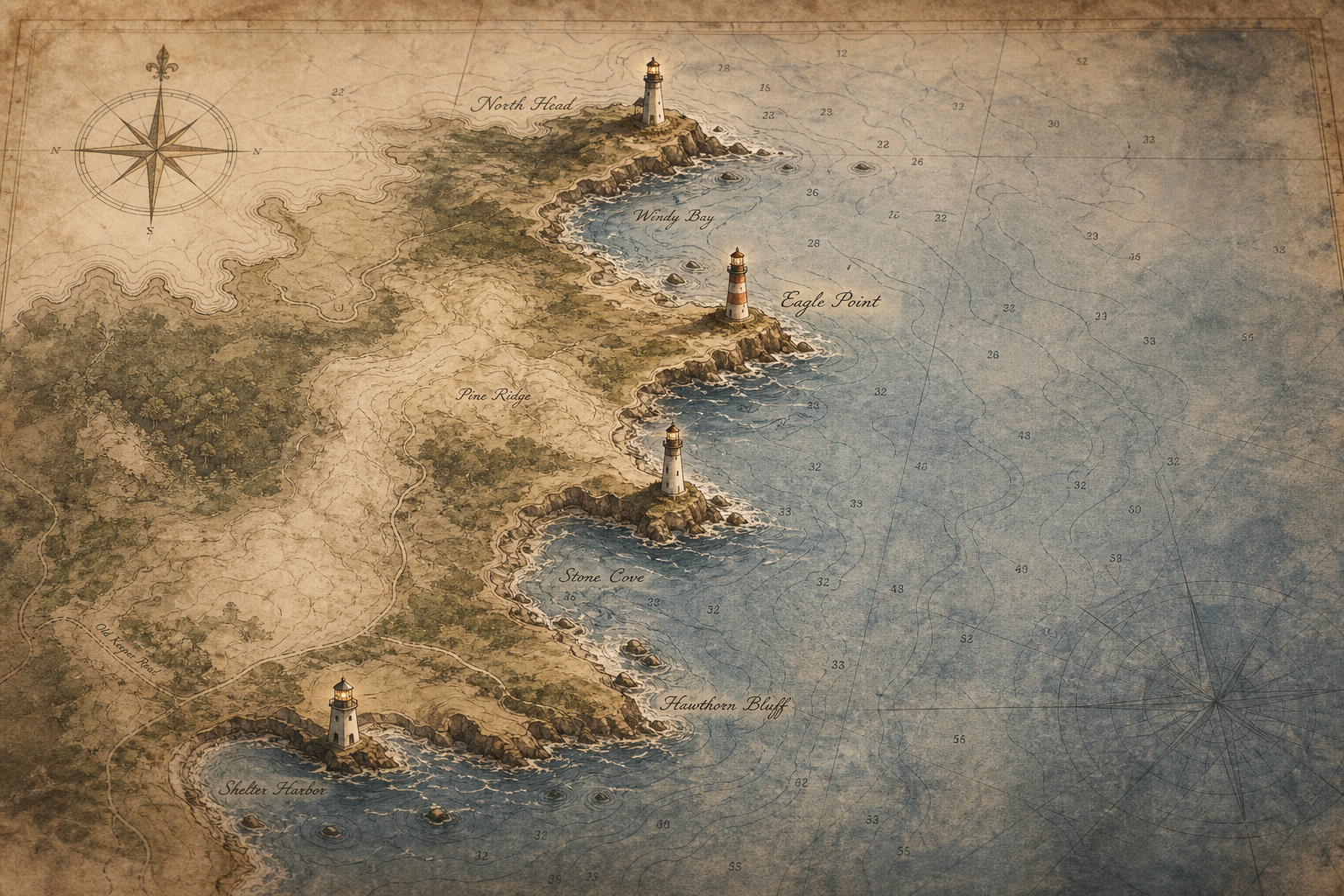
Ready to plan your route? Continue to the preserved towers map overview.
Preserved towers guide
Use this shoreline index to locate preserved lights and cross-reference nearby keeper accounts.
Northwatch Point Lighthouse
Greyhaven Reach
Lantern room stabilized, masonry conserved
Brinecliff Beacon
Saltmere Bluffs
Aid still active, keeper cottage protected
Gullstrand Tower
Harrow Inlet
Exterior restored, interior under phased works
Stormcap Head Light
Coldwater Spit
Decommissioned, tower held in trust care